Bellarome - guide to Italy

Destinations

Request A Quote
Please fill in our enquiry form and a consultant will contact you.
Abruzzo, Loreto Abruzzo holidays

Often referred to as Italy’s best kept secret, Abruzzo lies less than 80 kilometres east of Rome and borders the regions of Marche to the north, Lazio to the west and south-west, Molise to the south-east, and the Adriatic Sea to the east. Although geographically more of a central than southern region, ISTAT (The Italian Statistical Authority) considers it part of Southern Italy, a vestige of Abruzzo's historic association with the Kingdom of the Two Sicilies. The region is situated at the centre of the Italian peninsula facing the Adriatic, which it follows along 150 km of incredible beaches. With an area of 10,794 square kilometres, it is one of the most mountainous regions in Italy and has a population of around 1.3 million inhabitants.

Abruzzo Beaches
As one of the best Italian beach holiday destinations, Abruzzo has a number of blue flag beaches (an award given when a beach or marina has met stringent standards) where you can relax, take in the scenery and dip your toes into the warm crystal blue waters. Popular seaside locations include the traditional Romanesque fishing town of Vasto. With its glorious golden sandy marina, plenty of historical sites to see and a water park to keep the whole family entertained, the town is certainly worth a visit.

Abruzzo Skiing
Those looking for a little adventure can visit one of Abruzzo’s 22 skiing resorts, including cross country courses in the region’s capital L’Aquila and the popular Roccaraso, with 855m of runs.  Abruzzo is known for its affordable skiing and gets a heavy and lasting snow cover – often more so than other popular skiing destinations such as the Alps.

When to visit
Abruzzo is perfect for those looking for a weekend Italian holiday. Those looking to hit the slopes can travel throughout winter months (November – February), whilst springtime (April – May) is great for catching the exceptionally beautiful scenery and hitting the beach without the scorching summer weather.

For more information on Abruzzo see the locations below, or to book an Italian beach or skiing holiday, please call one of our dedicated team on 0844 993 4139 or Click here to send us an enquiry

Aosta Valley, La Thuile Aosta Valley holidays

The Aosta Valley (Italian: Valle d'Aosta) is a mountainous region in north-western Italy. It is bordered by France to the west, Switzerland to the north and the region of Piedmont to the south and east. With an area of 3,263 square kilometres and a population of about 120,000, it is the smallest, least populous, and least densely populated region of Italy. It is the only Italian region which has no provinces (the province of Aosta was dissolved in 1945). Provincial administrative functions are provided by the regional government. The region is divided into 74 comuni (communes). The native population speak Valdôtain, a form of Franco-Provençal, as their first language, while in the Lys Valley there is a Walser German speaking minority. The regional capital is Aosta.

Apulia countryside Apulia holidays

Apulia (Italian: Puglia), in south eastern Italy, borders the Adriatic Sea in the east, the Ionian Sea to the south east, and the Strait of Òtranto and Gulf of Taranto in the south. Its southern portion known as Salento, a peninsula, forms a high heel on the "boot" of Italy. The region comprises 19,345 square kilometres and its population is about 4 million. It neighbours Greece and Albania, across the Ionian and Adriatic Seas, respectively. The region extends as far north as Monte Gargano, and was the scene of the last stages in the Second Punic War. Apulia is a very dry region. Its few rivers are torrential and are to be found on the Tavoliere delle Puglie, a tableland at the foot of the Gargano promontory that is one of the largest and agriculturally most productive plains in Italy. The regions capital is Bari. Other places include Taranto, Eni, Bridisi, Manfredonia, Foggia, Casarano, Monopoli-Putignano and the caves at Castellana Grotte, which are particularly spectacular.

Basilicata, Matera Basilicata holidays

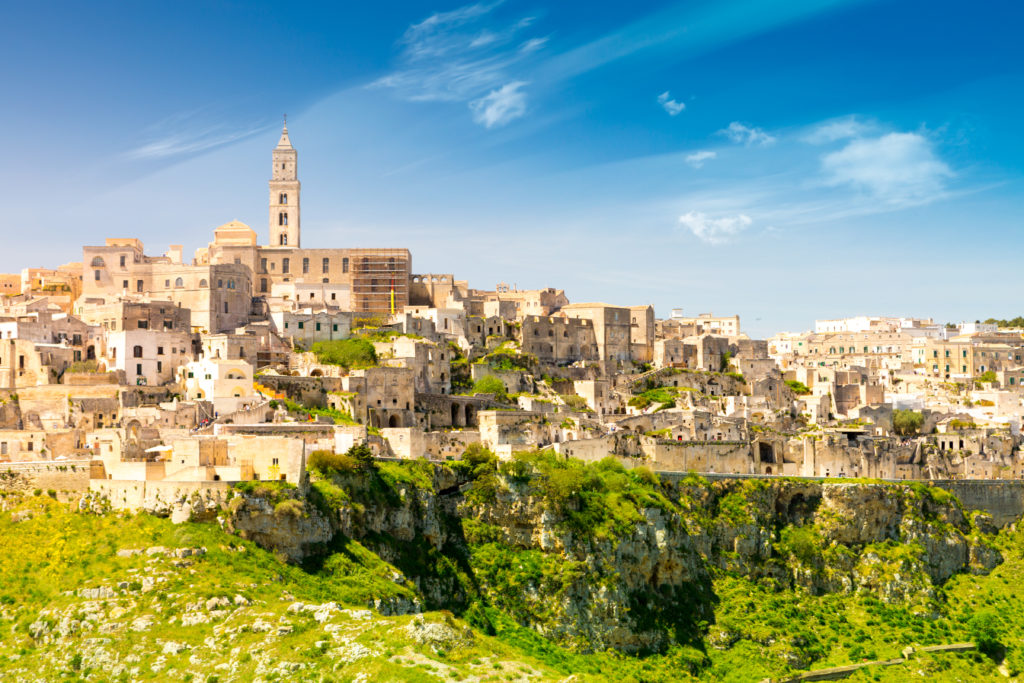
Basilicata (formerly Lucania), in the south of Italy, can be thought of as the "instep" of Italy, with Calabria functioning as the "toe" and Apulia the "heel". The region covers 9,992 square kilometres and has a population of about 600,000 inhabitants. The regional capital is Potenza. The region is divided into two provinces: Potenza and Matera. Geological features of the region include the volcanic Monte Vulture and the seismic faults in the Melfi and Potenza areas in the north and around Monte Pollino in the south. The variable climate is influenced by three coastlines (Adriatic, Ionian and Tyrrhenian) and the complexity of the region's physical features. The climate is continental in the mountains and Mediterranean along the coasts.

Calabria, Tropea Calabria holidays

Calabria (known as Bruttium in antiquity), is a region in southern Italy, south of Naples, located at the "toe" of the Italian peninsula. It is bounded to the north by the region of Basilicata, to the south-west by the region of Sicily, to the west by the Tyrrhenian Sea, and to the east by the Ionian Sea. The region covers 15,079 square kilometres and has a population of just over 2 million. The regional capital is Cantanzaro. Still largely undiscovered by tourists Calabria has beautiful coastlines and an ever present tranquil green sea. It is also a mountainous region. Three mountain ranges are present: Pollino, La Sila and Aspromonte. All three mountain ranges are unique with their own flora and fauna. This unique mountainous structure reaches its highest point at Montalto Uffugo, at 1,995 metres, and is full of wide, man-made terraces that slope down towards the sea. The lowest slopes are rich in vineyards and citrus fruit orchards.

Campagnia, Mount Vesuvius Campania holidays

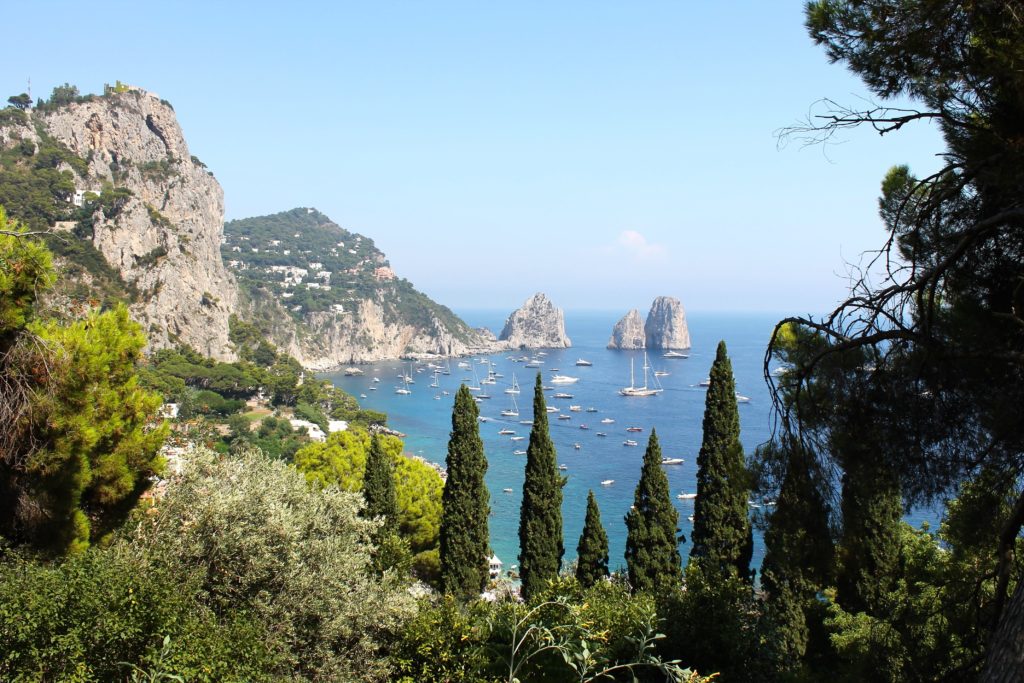
Campania, in southern Italy, has a population of around 5.8 million people and a total area of 13,595 square kilometres. Located on the Italian Peninsula, with the Tyrrhenian Sea to the west, the small Flegrean Islands and Capri with its beautiful beaches are also administratively part of the region. The regional capital of Campania is the city of Naples. Campania is rich in culture, especially in regards to gastronomy, music, architecture, archaeological and ancient sites such as Pompeii, Herculaneum and Paestum. The name of Campania itself is derived from Latin, as the Romans knew the region as Campania felix, which translates into English as "fertile countryside". The rich natural sights of Campania make it highly important desirable place to visit, especially along the Amalfi Coast, Mount Vesuvius and the island of Capri.

Emilia-Romagna, Perino Emilia-Romagna holidays

Emilia-Romagna, in Northern Italy, comprises the two historic regions of Emilia and Romagna. The capital is Bologna; it has an area of 20,124 square kilometres and around 4.3 million inhabitants. Emilia-Romagna today is considered as one of the richest and most developed regions in Europe and has the third highest GDP per capita in Italy. Bologna, the region's capital, has one of Italy's highest quality of life and has highly advanced and modern social services. Emilia-Romagna is also a major cultural and touristic centre, being the home of the oldest university in the Western World (University of Bologna). The region hosts numerous Renaissance cities (such as Modena, Parma and Ferrara) and is a major centre for food and automobile production (home of numerous iconic gastronomical and automotive industries, such as Ferrari, Lamborghini, Maserati and Ducati). Also the lively and colourful coastline has numerous tourist resorts, such as Cattolica and Rimini.

Friuli-Venezia Giulia, Udine Friuli-Venezia Giulia holidays

Friuli-Venezia Giulia is one of five autonomous regions of Italy with special statute. The capital is Trieste. It has an area of 7,856 square kilometres and about 1.2 million inhabitants. A natural opening to the sea for many Central European countries, the region is traversed by the major transport routes between the east and west of southern Europe. It encompasses the historical-geographical region of Friuli and the geographical region of Venezia Giulia (known in English also as Julian March), each with its own distinct history, traditions and identity. Friuli-Venezia Giulia is famous for its mixtures of cuisine stemming from both Friulani and Giuliani traditions. With influences from key cities such as Udine, Trieste and Venice. Friuli-Venezia Giulia is also known for its fine wine. The region spans a wide variety of climates and landscapes from the mild Mediterranean climate in the south to Alpine continental in the north.

Lazio, Rome Lazio holidays

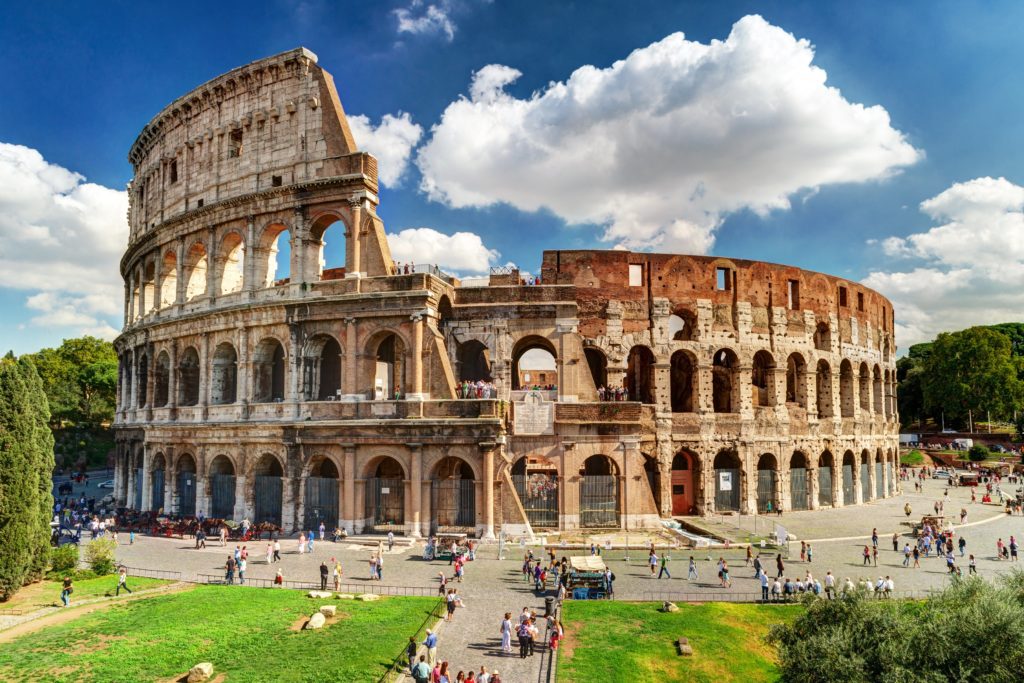
The Lazio region, in west central Italy, is bordered by Tuscany, Umbria, and Marche to the north, Abruzzo and Molise to the east, Campania to the south, and the Tyrrhenian Sea to the west. It is the region of Rome, capital of Italy. It has an area of 17,208 square kilometres and a population of about 5.6 million inhabitants. 34 kilometres east of Rome is the city of Tivoli, with the famous ruins of Hadrian's villa (Villa Adriana) and the delightful gardens and fountains of the Villa d'Este. South of Rome is the Colli Albabi, site of a quiescent volcanic complex of hills and lakes, where rich Romans build Renaissance and Barroco villas to escape the heat of Rome, including the Pope. Nearby is Frascati, a popular daytrip destination from the capital. Frascati is one of several attractive historic hill towns known collectively known as the Castelli Romani. West of Rome is the Roman city in ruins, Ostia Antica. And all this history can be combined with beaches, of course. Formia, on the southern edge of Lazio, was along the Appian way in Roman times, and hosts Cicero's tomb, but is also known for its modern beaches.

Liguria, Portofino Liguria holidays

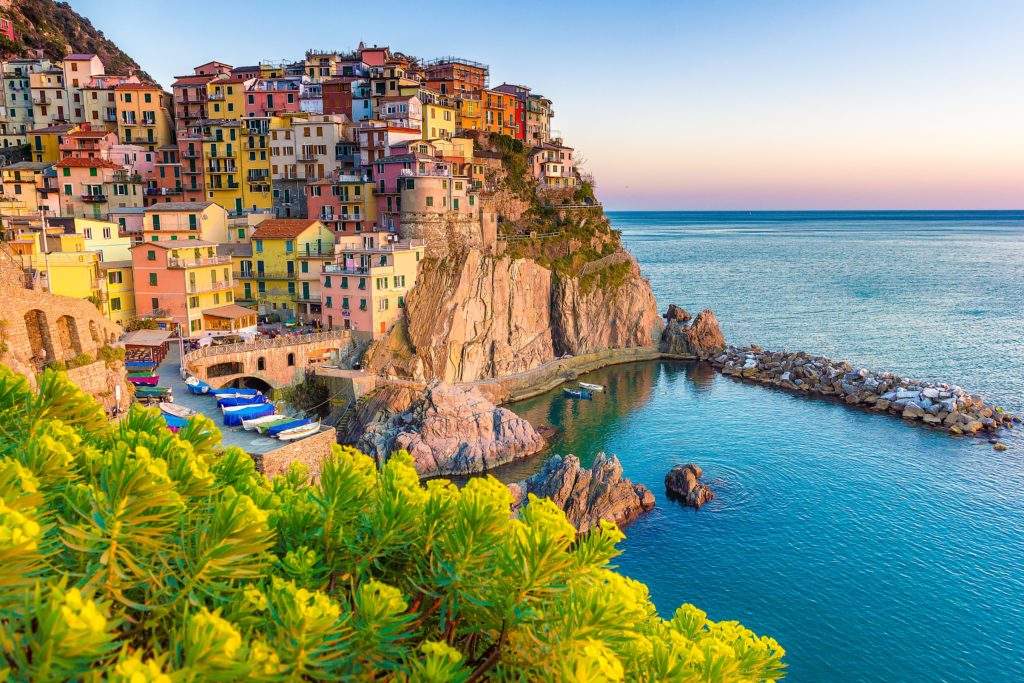
Liguria is a coastal region in north-western Italy with a population of around 1.6 million inhabitants and an area of 5,420 square kilometres. It is a popular region with tourists for its beautiful beaches, picturesque little towns, and good food. Liguria borders France to the west and lies on the Ligurian Sea. The narrow strip of land is bordered by the sea, the Alps and the Apennines mountains. The regional capital Genoa, home to Christopher Columbus, boasts impressive buildings, elegant mansions, and wonderful churches - all of which bear witness to Liguria's glorious past and which blend in perfectly with the modern city. In other parts of Liguria, there are also numerous historical treasures. An intact and luxuriant Mediterranean vegetation exists in the mountain regions of Portofino and Cinque Terre. Furthermore, Portovenere is a small jewel on the Mediterranean coast and Sanremo is one of Italy's most famous bathing resorts and the place where the annual Italian pop music festival takes place. Also, the beautiful Benedict monastery S. Fruttuoso merits special attention. And needless to say there are many other important historical monuments to be explored.

Lombardy, Lake Como Lombardy holidays

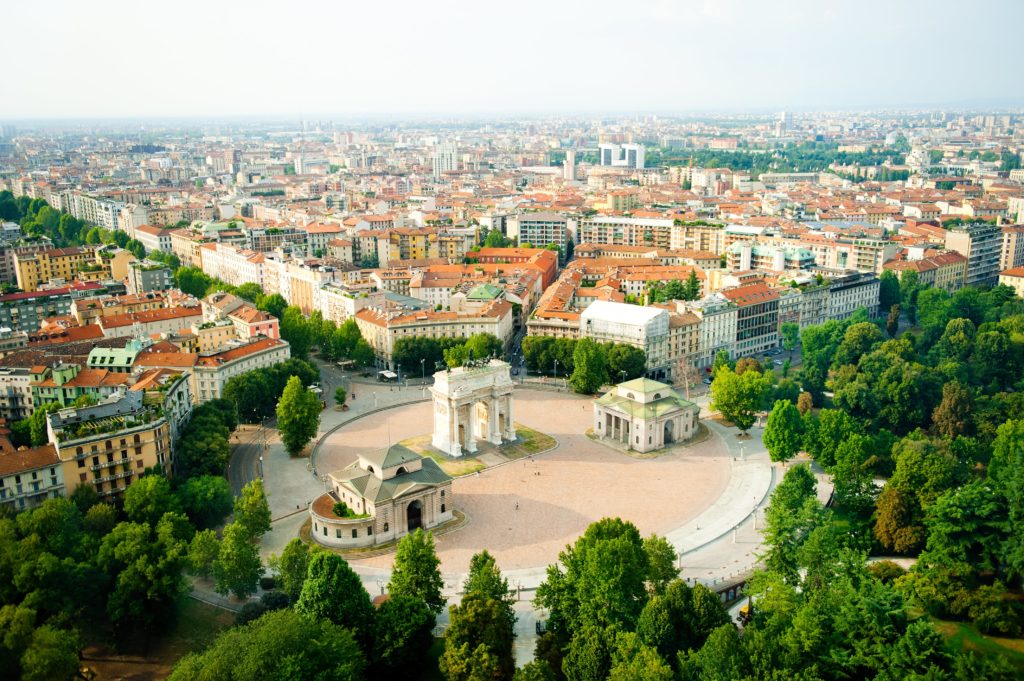
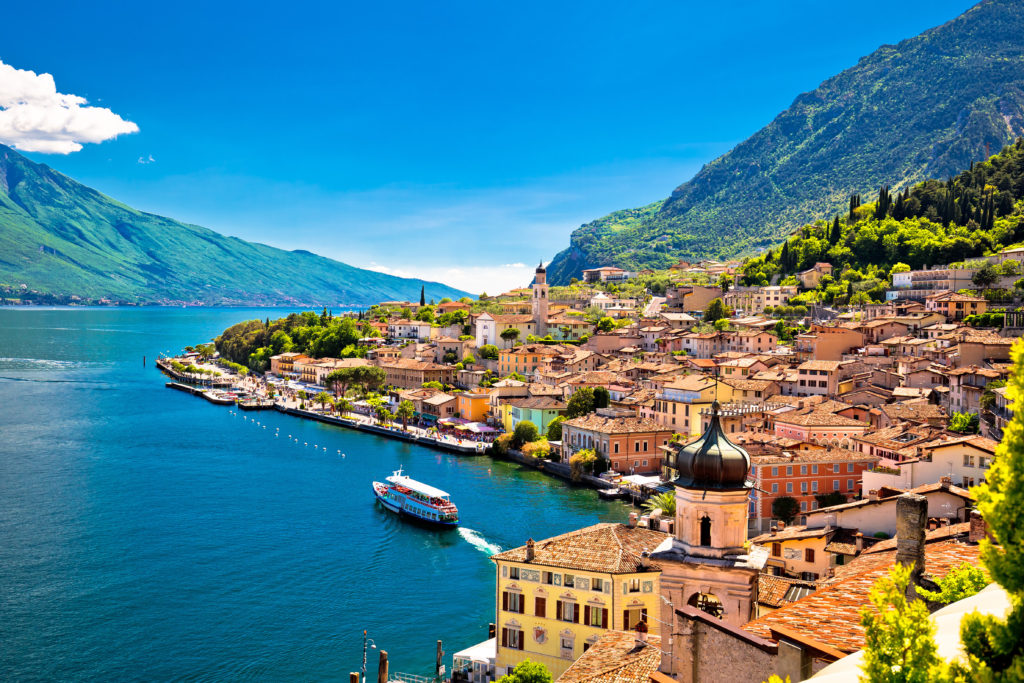
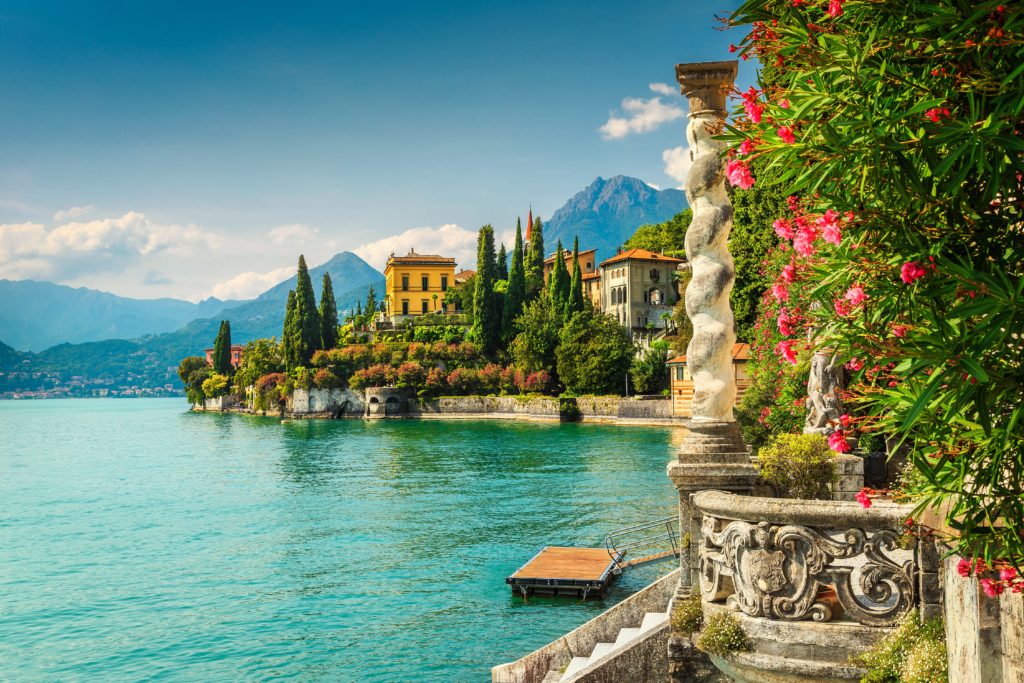
Lombardy (Italian: Lombardia) is a northern region of Italy. It covers an area of 23,861 square kilometres and has a population of 9.9 million inhabitants. The regional capital is Milan. Major tourist destinations in the region include the historic, cultural and artistic cities of Milan, Brescia, Mantua, Pavia, Como, Cremona, Bergamo, Sondrio, Lecco, Lodi, Varese, Monza and Brianza. Milan is regarded as the world fashion capital, even surpassing New York, Paris, Rome and London. Most of the major Italian fashion brands, such as Valentino, Versace, Prada, Armani and Dolce & Gabbana (to name a few), are currently headquartered in the city. Three distinct natural zones can be distinguished in the Lombardy region: mountains, hills and plains. The most important mountainous area is an Alpine zone including the Lepontine and Rhaetian Alps, the Bergamo Alps, the Ortles and Adamello massifs; it is followed by an Alpine foothills zone known as Prealpi. Also, The great Lombard lakes, all of glacial origins lie in this zone. From west to east these are Lake Maggiore, Lake Lugano (only a small part is Italian), Lake Como, Lake Iseo, Lake Idro and Lake Garda.

Marche countryside Marche holidays

Marche is known as The Marches in English. Marche is located in the Central area of the country, bordering Emilia-Romagna and the republic of San Marino to the north, Tuscany to the north-west, Umbria to the west, Abruzzo and Lazio to the south and the Adriatic Sea to the east. The regional capital in Ancona. The town is finely situated on and between the slopes of the two extremities of the promontory of Monte Conero, Monte Astagno (occupied by the citadel) and Monte Guasco (on which the Duomo stands 150 metres high). The latter, dedicated to St Judas Cyriacus, is said to occupy the site of a temple of Venus, who is mentioned by Catullus and Juvenal as the tutelary deity of the place. Marche has a population of 15 million inhabitants and covers an area of 9,366 square kilometres. The coastal area is 173 km long and is relatively flat and straight except for the hilly area between Gabicce and Pesaro in the north, and the eastern slopes of Monte Conero.

Molise countryside Molise holidays

The Molise region in the South of the country is the second smallest of the regions in Italy. It was formerly (until 1963) part of the region of Abruzzi e Molise (with Abruzzo) and is now a separate entity. The region covers 4,438 sqaure kilometres and has a population of about 300,000 inhabitants. Molise is the newest Italian region, since it was established in 1963, when the region Abruzzi e Molise was split in two. It became effective only in 1970. The region is administratively divided into two Provinces, Campobasso, the regional capital, and Isernia, and comprises 136 municipalities, most of them very small, and each unique and definitely worth a visit.

Piedmont, Turin Piedmont holidays

Piedmont (Italian: Piemonte), in the Northern area of Italy, has an area of 25,399 square kilometres and a population of about 4.4 million inhabitants. The name Piedmont comes from medieval Latin Pedemontium, meaning "at the foot of the mountains". Piedmont is surrounded on three sides by the Alps, including Monviso (Mont Vis), where the river Po rises, and Monte Rosa. It borders France, Switzerland and the Italian regions of Lombardy, Liguria, Aosta Valley and for a very small fragment with Emilia Romagna. The countryside is very varied: one passes from the rugged peaks of the massifs of Monte Rosa and of Gran Paradiso (national park), to the damp rice paddies of the Vercellese and Novarese; from the gentle hillsides of the Langhe and of Montferrat to the plains. The capital of Piedmont is Turin. The city is a flourishing, industrious and cosmopolitan European city, which enjoys many architectural developments. The city has a rich culture and history, and is known for its numerous art galleries, restaurants, churches, palaces, opera houses, piazzas, parks, gardens, theatres, libraries, museums and other venues.

Sardina sea and boat Sardinia holidays

Sardinia (Italian: Sardegna) is the second-largest island in the Mediterranean Sea (after Sicily). It is an autonomous region of Italy, and the nearest land masses are (anticlockwise from south) the Spanish Balearic Islands, Tunisia, Sicily, the Italian Penisula, the French island of Corsica. Sardinia covers 24,090 square kilometres and has a population of around 1.6 million inhabitants. The regional capital is Cagliari. Sardinia, with its quintessential Mediterranean beauty, is mainly loved for swimming, boating, windsurfing, hiking, climbing, camping or sunbathing on the beach in the blazing sunshine. The North and Northeast (from Stintino to Budoni) boast many beautiful beaches. The Eastern coast is also very beautiful: Cala Gonone, Arbatax, Muravera and Villasimius, to name a few. The deep South (Chia, Pula) is quickly growing as a major tourist attraction. The western coast has large beaches some kilometres long (Porto Pino, Marina di Gonnesa, Marina di Arbus). Of note is Piscinas (Marina di Arbus) with its 60 metre tall sand dunes. Finally, the Alghero area is renowned for its underwater caves and grottoes and attracts many scuba divers.

Sicily, Traoani Sicily holidays

Sicily (Italian: Sicilia) is the largest island in the Mediterranean Sea and an autonomous region of Italy. Minor islands around it, such as the Pantelleria, Aeolian Islands, Aegadian Islands and Lampedusa are part of Sicily. Its official name is Regione Autonoma Siciliana (English: Sicilian Autonomous Region). The region covers an area of 25,708 kilometres and has a population of around 5 million inhabitants. The regional capital is Palermo. Sicily's sunny, dry climate, scenery, cuisine, history, and architecture attract many tourists from mainland Italy and abroad. The tourist season peaks in the summer months, although people visit the island all year round. Mount Etna, the beaches, the archaeological sites, and the two major cities of Catania and Palermo are the favourite tourist destinations. Also the old town of Taormina and the neighbouring seaside resort of Giardini Naxos draw visitors from all over the world, as do the Aeolian Islands, Erice, Cefalù, Syracuse, and Agrigento. The latter features some of the best-preserved temples of the ancient Greek period.

Trentino-Alto Adige castle Trentino-Alto Adige holidays

Trentino-Alto Adige/Südtirol is an autonomous region in Northern Italy. It consists of two provinces: Trento and Bolzano (Bozen). The region was part of Austria-Hungary and its predecessors, the Austrian Empire and the Holy Roman Empire from the 8th century until its annexation by Italy in 1919. Together with the Austrian state of Tyrol it is represented by the Euro region Tyrol-South Tyrol-Trentino. In English, the region is also known as Trentino-South Tyrol or by its Italian name Trentino-Alto Adige. The region is bordered by Tyrol (Austria) to the north, by Graubünden (Switzerland) to the north-west and by the Italian regions of Lombardy and Veneto to the west and south, respectively. It covers 13,607 square kilometres and has a population of around 1 million inhabitants. It is extremely mountainous, covering a large part of the Dolomites and the Southern Alps. The regional capital is Trento.

Tuscany countryside Tuscany holidays

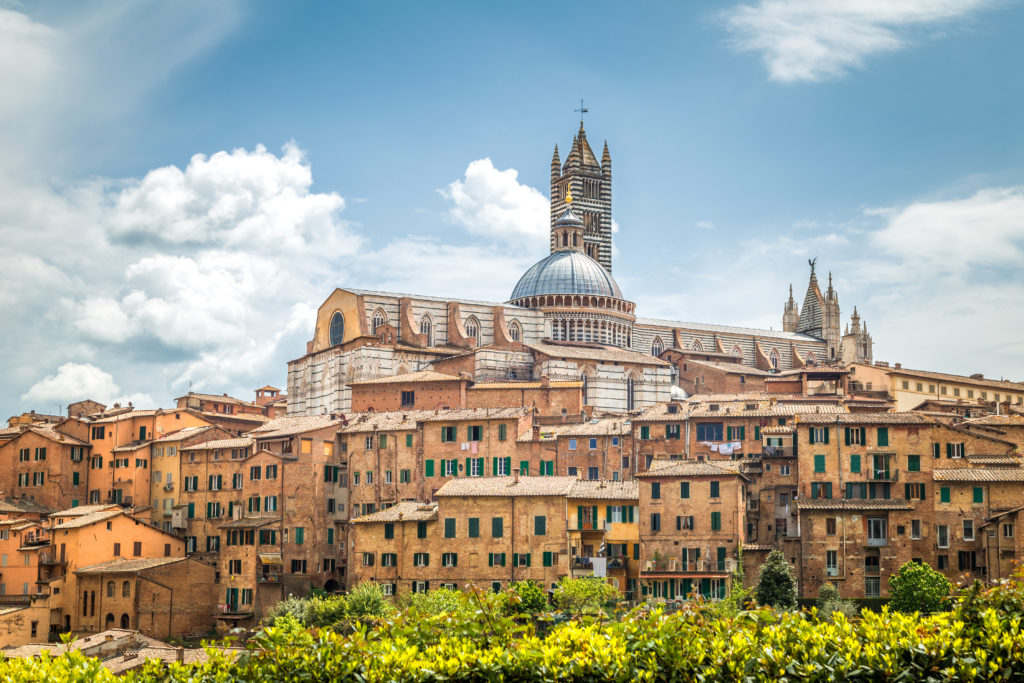
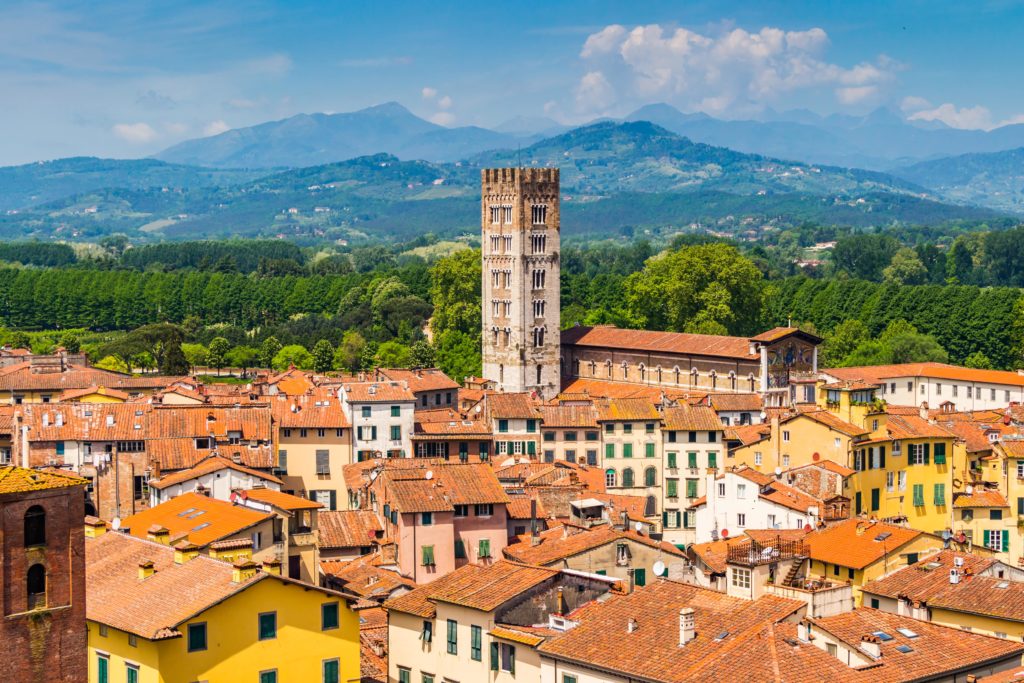
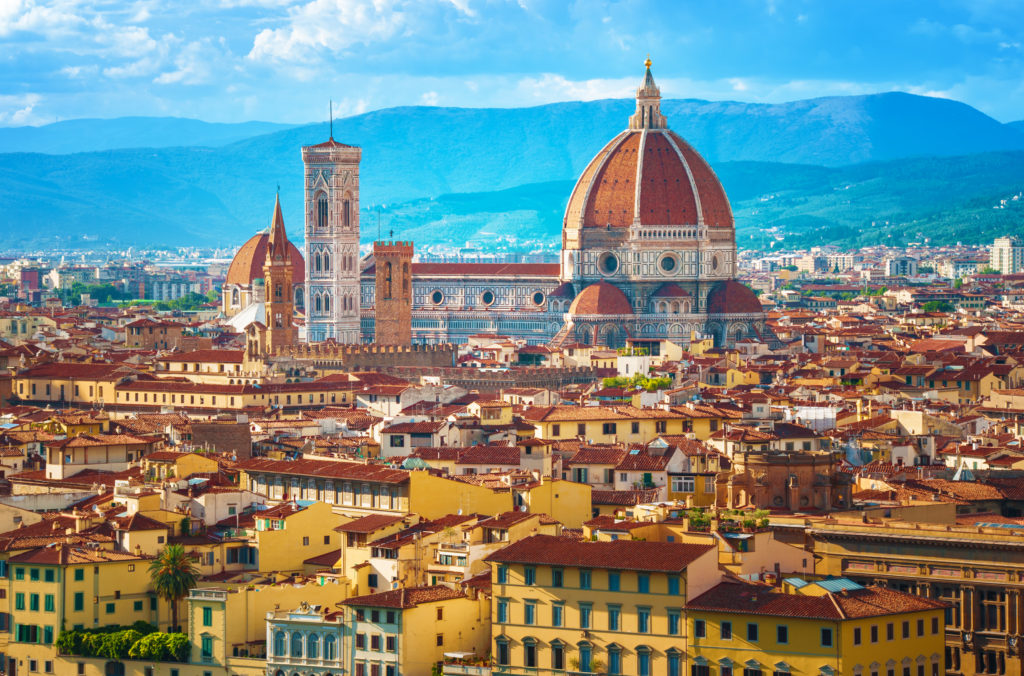
Tuscany (Italian: Toscana) is in Central Italy. It has an area of 22,990 square kilometres and a population of about 3.7 million inhabitants. The regional capital is Florence. Tuscany is known for its beautiful landscapes, its rich artistic legacy and vast influence on high culture. Tuscany is widely regarded as the true birthplace of the Italian Renaissance, and has been home to some of the most influential people in the history of arts and science, such as Petrarch, Dante, Botticelli, Michelangelo, Leonardo da Vinci, Galileo Galilei, Amerigo Vespucci and Puccini. Due to this, the region has several museums (such as the Uffizi, the Pitti Palace and the Chianciano Museum of Art). Tuscany has a unique culinary tradition, and is famous for its wines (most famous of which are Chianti, Vino Nobile di Montepulciano, Morellino di Scansano and Brunello di Montalcino). Tuscany boasts six World Heritage Sites: the historical centres of Florence, Siena, San Gimignano, Pienza, Val d'Orcia and the square of the Cathedral of Pisa. Furthermore, Tuscany has over 120 protected nature reserves. This makes Tuscany and its capital city Florence very popular tourist destinations.

Umbria, Assisi Umbria holidays

Umbria, in modern central Italy, is one of the smallest Italian regions and the only peninsular region that is landlocked. Umbria is bordered by Tuscany to the west, Marche to the east and Lazio to the south. Mostly hilly or mountainous, it is dominated by the Apennines. The population of Umbria is around 900,000 inhabitants and it covers an area of 8,456 square kilometres. Perugia is the regional capital. Assisi is one of Umbria's most-visited destinations, attracting pilgrims to its sites associated with the gentle St. Francis. Spoleto is a well-preserved hill town surrounded by attractive countryside, and is famous for hosting the annual Festival dei Due Mondi. Orvieto is a popular Etruscan hilltop town, which offers fascinating underground archeological tours, as well as an imposing Duomo. Furthermore, Umbria boasts Lake Trasimeno (Italy's fourth-largest lake) and is another of Umbria's quiet jewels. Other important cities are Gubbio, Todi, and Terni.

Veneto, Venezia Veneto holidays

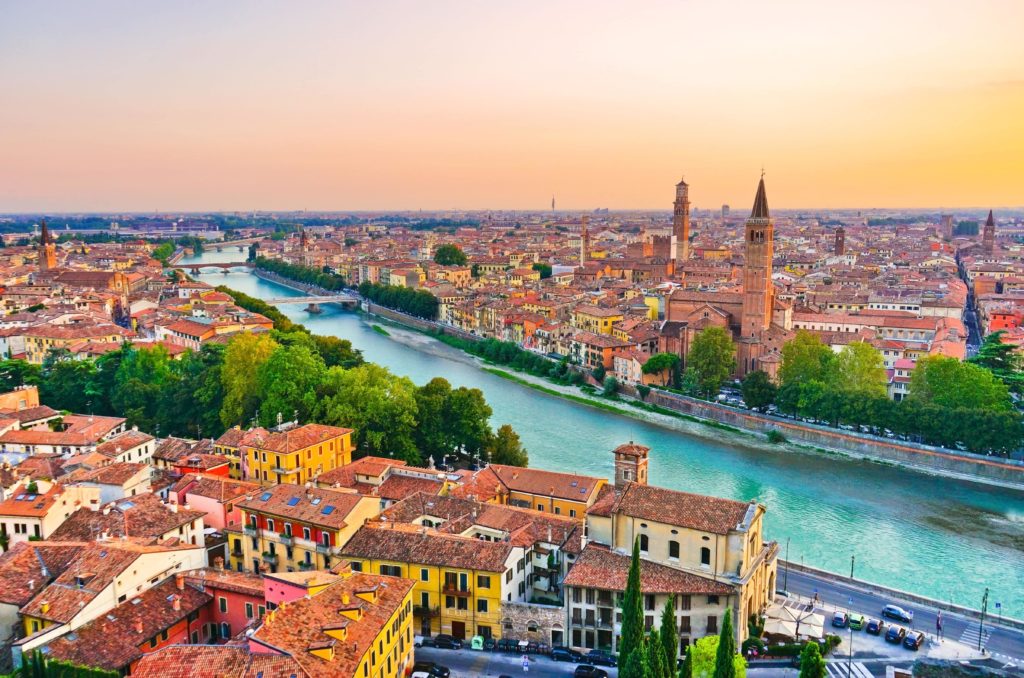
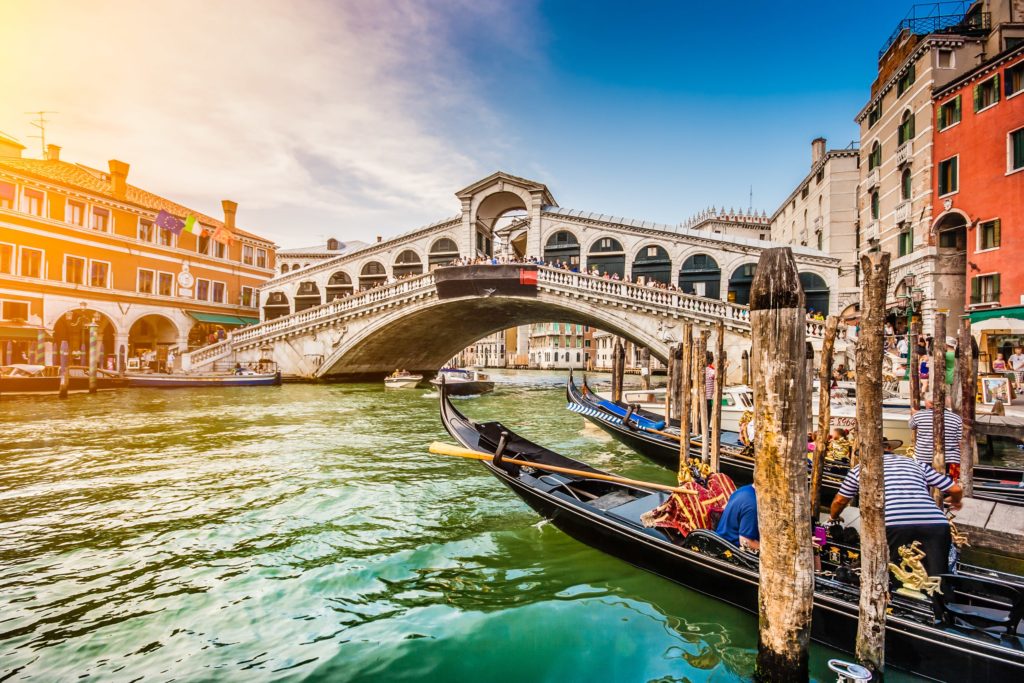
Veneto is a region in north western Italy. It has population of about 4.9 million inhabitants and covers an area of 4931 square kilometres. The Veneto had been for a millennium an independent state, known as the Venetian Republic, and the region was annexed to Italy in 1866 after brief Austrian and French rule. Veneto is today among the wealthiest, most developed and industrialised regions of Italy. Having one of the country's richest historical, natural, artistic, cultural, musical and culinary heritages, it is also the most visited region of Italy. The regional capital is Venice, which is one of the most interesting and lovely places in the world. This sanctuary on a lagoon is virtually the same as it was six hundred years ago, which adds to the fascinating character. Venice is also home of the infamous Venetian canals with gondolas and the mysterious Venetian masks. Other notable locations include Verona (the home of Romeo and Juliet), Treviso, Padova, Vicenza, Rovigo and Belluno.

Click here to view our middle east destinations Click here to view our north east asia destinations Click here to view our indian subcontinent destinations Click here to view our indian ocean destinations Click here to view our south east asia destinations